CHAPTER 1 — A BOY FROM PABOKAVICHY
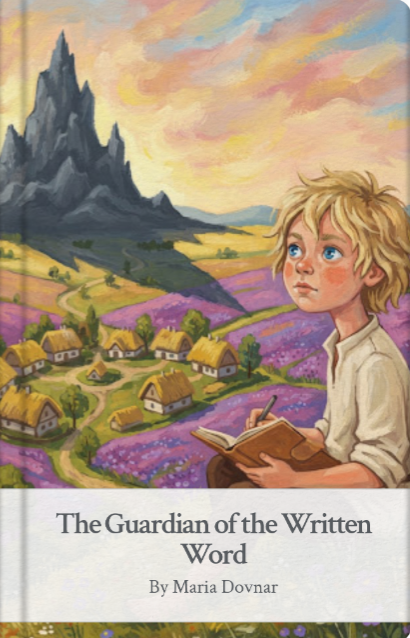
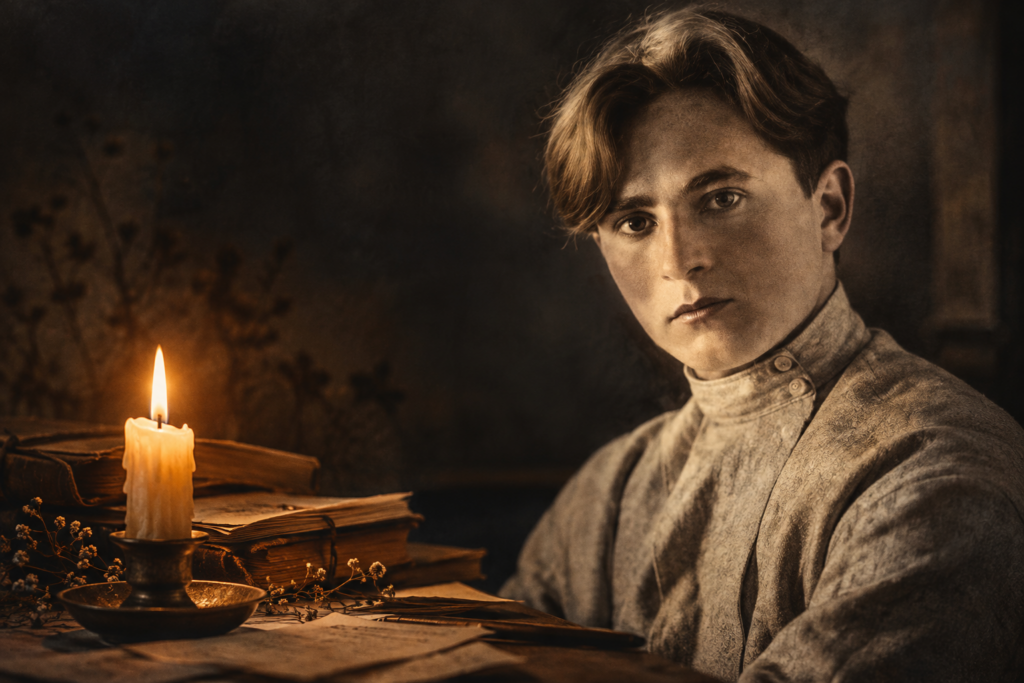
Platon Ramanavich Halavach was born on 18 April 1903 in Pabokavichy, a village near Babruysk, in what is now Belarus. He came from a peasant family and lost his parents at an early age. At seven, he was already working as a shepherd. He attended a parish school, where he joined a literary circle. His childhood began far from the offices and editorial rooms that would later shape his life.
CHAPTER 2 — WORDS AND POWER
Halavach began publishing in 1921 and became involved in the literary movement Maladnyak, which brought together young Belarusian writers. In 1926, he graduated from the Communist University of Belarus. He worked in the Komsomol leadership and later served as a deputy people’s commissar of education in the Belarusian SSR. He edited the newspaper Chyrvonaya Zmena and the literary magazines Maladnyak and Polymya. In 1934, he joined the Union of Soviet Writers.
CHAPTER 3 — THE BOOKS HE LEFT BEHIND
Halavach wrote about village life, the Civil War and the transformation of the Belarusian countryside. His works included the short-story collection Drobiazi zhytstsia (Little Things of Life, 1927), Khochetsa zhyts (I Want to Live, 1930) and the novel Praz hady (Through the Years, published in the mid-1930s). He also worked on manuscripts that never reached readers. His writing career unfolded inside a system that increasingly treated independent thought and national cultural identity as threats. By 1937, the political climate had become deadly for Belarusian intellectuals.
CHAPTER 4 — FIFTEEN MINUTES
NKVD officers arrested Halavach in Minsk on 11 August 1937. During the search, they confiscated 67 notebooks containing manuscripts; the full fate of their contents remains uncertain. On 28 October, an NKVD troika sentenced him to death after a hearing reported to have lasted about fifteen minutes. He was executed in Minsk on 29 October 1937, aged 34. His wife, Nika Vechar, was arrested days later and sentenced to eight years in a labour camp as the wife of an executed “enemy of the people.” Halavach was posthumously rehabilitated on 25 July 1956.
CHAPTER 5 — HISTORY WILL TELL THE TRUTH
Before his execution, Halavach left a note addressed to his fellow prisoners. It was not a poem, but its words became part of his legacy:
“Comrades, forgive me if I have wronged you in any way. History will still tell the truth about us. Platon.”
The sentence imposed on him was overturned in memory long after his death, but his confiscated manuscripts and the full circumstances of his final days remain part of a larger history of repression. His story belongs to the destruction of Belarusian literary life during the Great Terror of 1937.