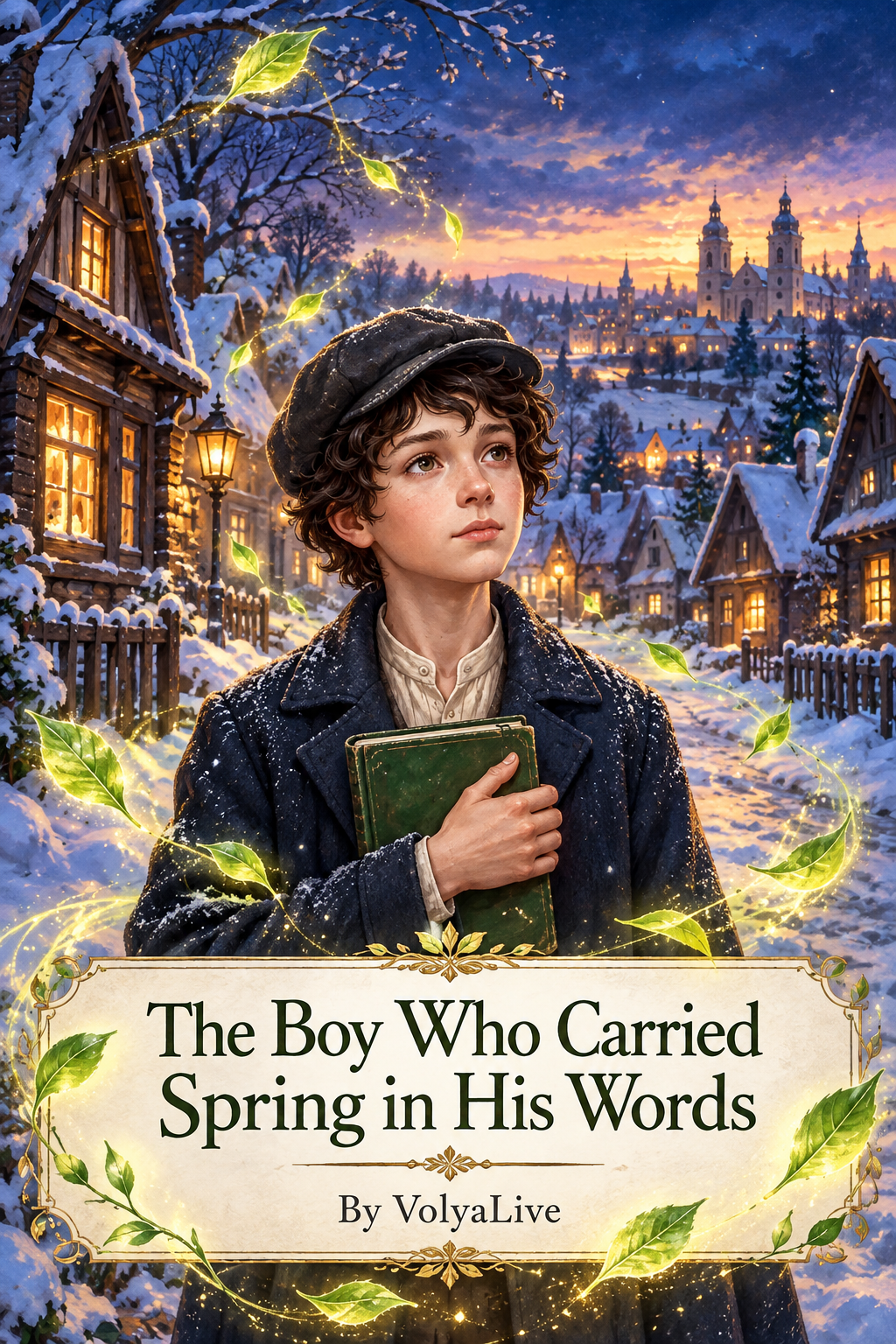
Chapter 1. A Boy from the Outskirts of Minsk
Valery Dzmitryevich Marakou was born on 27 March 1909 in the settlement of Kozyrova, also associated with the name Okalonia, near Minsk. The area is now part of the Belarusian capital.
He grew up in a working-class family. His early life was shaped by the ordinary responsibilities of a household where work mattered and opportunities could not be taken for granted. During the First World War, his family experienced displacement, and Valery spent time away from home in Russia and Ukraine before returning to Belarus.
As a young man, he attended the Fourth Minsk Seven-Year School, completing his studies in 1924. After leaving school, he worked as a bricklayer alongside his father. The work was physically demanding, but Marakou was already drawn toward literature.
His path from manual labor to poetry reflected a period when Belarusian cultural life was changing rapidly. New publications, literary circles, and educational institutions were creating opportunities for young writers to develop their voices in the Belarusian language.
For Marakou, poetry would become a way to express not only ideas but also the emotional texture of life: its beauty, uncertainty, energy, and longing.
Chapter 2. The First Poems
In June 1925, Marakou’s first poems appeared in print, including in the newspapers Chyrvonaya Zmena and Malady Arachy. He was still very young, but his writing attracted attention.
The celebrated Belarusian poet Yanka Kupala is reported to have noticed and supported the emerging writer. Such recognition mattered in a literary culture where young poets were seeking readers, mentors, and a place in a developing national literature.
Marakou became associated with Maladnyak, a literary organization of young Belarusian writers. Its members sought to bring literature closer to contemporary life and to establish new forms of Belarusian poetic expression.
His first collection, Pyalestki (Petals), appeared in 1926. A year later, he published Na Zalatom Pakose (On the Golden Mowing). The titles evoke natural imagery and the rhythms of rural life, themes that held a strong place in Belarusian literature.
Marakou’s poetry was known for its lyricism, emotional intensity, and vivid imagery. His writing could convey the exhilaration of youth while also revealing the vulnerability beneath it.
He was part of a generation that believed literature could help shape the future. Yet the political and cultural environment in which these writers worked was becoming increasingly restrictive.
Chapter 3. Between Work and Literature
Marakou continued to combine literary work with education and employment. After his years as a bricklayer, he pursued further studies and completed the literary and linguistic department of the Minsk Pedagogical Institute in 1934.
He also worked in journalism and publishing. From 1930 to 1934, he was associated with the magazine Chyrvonaya Belarus. He later worked for the literary weekly Litaratura i Mastatstva and spent time teaching in Babruysk.
In 1930, he published Vyarschyny Zhadannyau (Summits of Wishes), followed by Prava na Zbroju (The Right to a Weapon) in 1933. These collections appeared during a period when Soviet cultural institutions placed growing demands on writers to align their work with official political expectations.
Marakou’s literary voice was associated with emotional force, musicality, and bright imagery. His poems belonged to a wider cultural movement that was expanding the reach of Belarusian writing through magazines, books, and public literary life.
In 1934, he became a member of the Writers’ Union of the BSSR. For a young poet, this was a sign of professional recognition. But institutional acceptance did not guarantee safety.
The literary world around him was increasingly affected by accusations, ideological investigations, and pressure on writers whose work or associations were considered politically suspect.
Chapter 4. The First Arrest
In March 1935, Marakou was arrested and accused of belonging to a supposed counter-revolutionary nationalist organization. His father, Dzmitry Marakou, was also arrested later that year.
After approximately three months in custody, Valery’s case was discontinued, and he was released in July 1935. For a time, he returned to life outside prison.
The experience nevertheless unfolded against a widening campaign of repression. Writers, teachers, cultural workers, and other members of Belarusian society were increasingly vulnerable to accusations that could destroy their careers and endanger their families.
Marakou continued to belong to the literary world, but the future had become uncertain. The newspapers and journals that had once offered a young poet a route to readers existed alongside a system in which a person’s writing, friendships, or perceived beliefs could be turned into evidence against them.
His poetry had developed in a time of cultural possibility, but his life was now shaped by forces far beyond the page.
On 6 November 1936, Marakou was arrested again. This time, he would not return home.
Chapter 5. The Last Night of the Poets
Marakou remained in custody as the Great Terror intensified. In October 1937, he was accused of membership in an alleged counter-revolutionary national-fascist organization. The accusation was part of a broader pattern in which fabricated political charges were used to condemn writers and intellectuals.
On 28 October 1937, he was sentenced to death. The following day, 29 October, he was executed in Minsk, alongside other Belarusian cultural figures.
He was twenty-eight years old.
His death belonged to one of the darkest chapters in Belarusian literary history. A generation of writers, translators, and thinkers was destroyed, leaving families bereaved and cultural life deeply wounded.
Marakou’s books, however, continued to exist. His early collections preserved the poems of a young writer whose work had emerged from the energy and experimentation of the 1920s and early 1930s.
He was officially rehabilitated in April 1957. Later readers and researchers returned to his writing and documented the circumstances of his persecution.
Remembering Marakou means more than recording the date of his death. It means restoring his place as a poet: a young man who wrote in Belarusian, sought new forms of expression, and helped shape the literary culture of his time.
The life was brief. The poems remain part of the story of a language and a people whose cultural memory survived repression.
Historical Note
Valery Dzmitryevich Marakou (27 March 1909 – 29 October 1937) was a Belarusian poet and translator born in Kozyrova near Minsk, now within the city. He worked as a bricklayer, studied at the Minsk Pedagogical Institute, taught in Babruysk, and belonged to the Maladnyak literary association. His poetry collections included Pyalestki (1926), Na Zalatom Pakose (1927), Vyarschyny Zhadannyau (1930), and Prava na Zbroju (1933). He was arrested in March 1935 and released after his case was discontinued. Arrested again on 6 November 1936, he was sentenced to death on 28 October 1937 and executed the following day. He was rehabilitated in 1957.
This account draws on biographical and literary reference sources. It does not invent dialogue or present imagined scenes as historical fact.